

Zero-Trust & AI-Driven Cybersecurity
Trust Nobody, Verify Everything
By ProBits Team | 8–10 min read
Report Access Form
Executive Summary
Zero Trust and AI-enabled cybersecurity are fundamentally reshaping enterprise security by embracing a simple yet powerful principle: “Trust nobody, verify everything.” Zero Trust assumes that no user, device, or workload—whether inside or outside the network perimeter—should be trusted by default until it is explicitly verified.
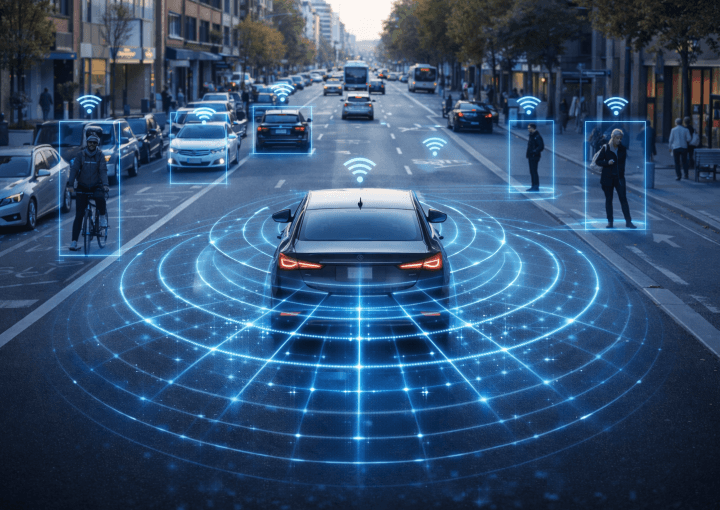
This approach aligns naturally with the threat landscape of 2025, which is increasingly fast-moving, borderless, and driven by sophisticated adversaries. Artificial Intelligence (AI) plays a critical role within the Zero Trust model by enabling real-time threat detection, adaptive risk assessment, automated response, and continuous verification of users and devices at every access point.
Enterprises across industries are rapidly adopting Zero Trust architectures, particularly those accelerating cloud migration and supporting remote or hybrid workforces while operating under constant pressure from advanced, AI-driven cyber threats. The global Zero Trust security market is projected to more than double, surpassing USD 100 billion by 2032, with an estimated compound annual growth rate (CAGR) exceeding 16%.
Together, Zero Trust and AI enable organizations to strengthen regulatory compliance, reduce the impact of both insider and external threats, and significantly improve resilience against cyberattacks when compared to traditional perimeter-based security models.
For leaders focused on continuous improvement and digital transformation, the message is clear: integrating Zero Trust with AI is no longer optional. It represents an urgent, high–return-on-investment strategy that allows organizations to scale innovation and modernize operations without compromising security or compliance.