

Software Defined Vehicles (SDV) and Over-The-Air (OTA) Ecosystems
From Hardware to Mobility Software
By ProBits Team | 8–10 min read
Report Access Form
Introduction
The automotive industry is undergoing a profound transformation, evolving from purely mechanical marvels into sophisticated software platforms on wheels. This revolutionary shift has given rise to the concept of the Software-Defined Vehicle (SDV), a term coined in the early 2010s that has rapidly gained traction and is now central to discussions across the global mobility industry.
A Software-Defined Vehicle is fundamentally a vehicle whose features, capabilities, and operations are primarily—or entirely—enabled, controlled, and enhanced through software, rather than relying solely on fixed hardware systems. This paradigm represents the next evolution of the automotive industry and serves as the foundation for major advancements such as connected vehicles and autonomous driving.
Modern consumers expect their vehicles to deliver an experience similar to other smart devices, seamlessly integrating into their digital lives. This expectation includes the ability for vehicles to continuously evolve, improve, and offer new features throughout their lifecycle. The SDV model enables manufacturers to deploy updates, fix software issues, and enhance performance remotely through over-the-air (OTA) updates, eliminating the need for frequent dealership visits.
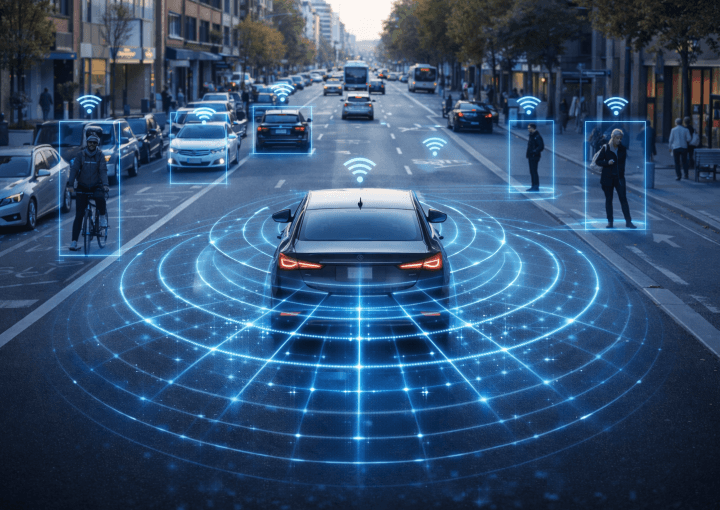
This flexibility enhances safety and comfort through capabilities such as advanced anti-collision systems and integrated infotainment platforms. In addition, SDVs leverage telematics and diagnostics to provide deeper insights into vehicle health and performance, enabling predictive and preventative maintenance strategies that improve reliability and reduce downtime.
The transition toward Software-Defined Vehicles marks a monumental shift in how value is defined within the automotive sector—moving from mechanical components to intelligent software systems that continuously evolve over time, delivering a perpetually improving driving experience.
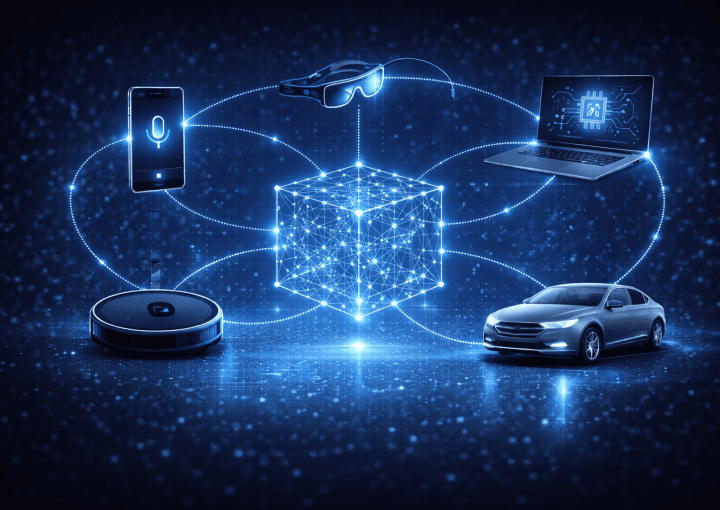
In essence, a Software-Defined Vehicle is much like a modern smartphone: it is not merely a physical product, but an evolving digital platform that gains new capabilities, improves performance, and personalizes itself through continuous software updates long after it leaves the factory.