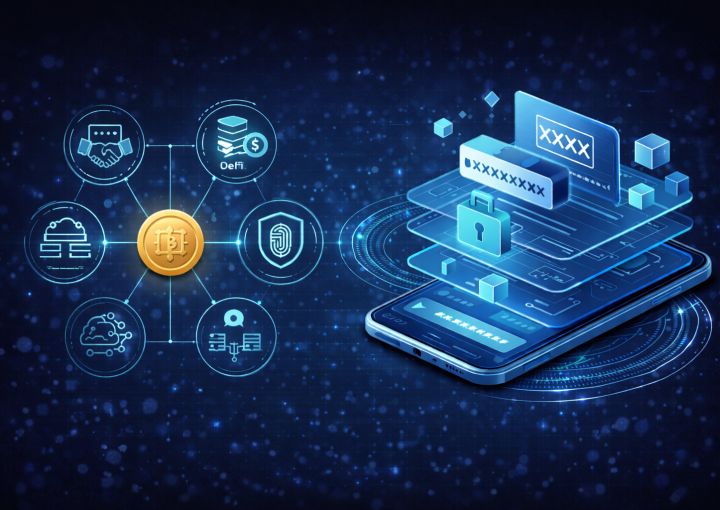



Tokenisation and Regulated Blockchain 2.0
Regulated Tokens Go Mainstream
By ProBits Team | 8–10 min read
Report Access Form
Introduction
Imagine a world where owning a piece of real estate, a work of art, or even shares in a wind farm is as simple as purchasing a digital token on your phone. Not a speculative crypto-asset operating in regulatory limbo, but a legally recognized, regulated token backed by enforceable ownership rights. This vision is no longer theoretical—it is unfolding today through tokenisation and regulated Blockchain 2.0.
Tokenisation refers to the process of representing ownership rights of real-world assets (RWAs) as digital tokens on a blockchain. Early iterations of this concept emerged during the 2017–2020 cryptocurrency boom; however, they were often characterized by regulatory uncertainty, high volatility, and limited trust. “Blockchain 1.0” introduced decentralized digital currencies such as Bitcoin, while “Blockchain 2.0” brought programmable smart contracts through platforms like Ethereum. The current evolution—regulated Blockchain 2.0—focuses on embedding compliance, oversight, and legal frameworks directly into token ecosystems, enabling mainstream adoption by financial institutions, regulators, and enterprises (Gartner, 2023).
The importance of this shift is significant. Tokenisation has the potential to democratize access to investment opportunities, unlock liquidity in traditionally illiquid markets such as real estate and infrastructure, and enhance transparency across financial transactions. At the same time, regulation provides the trust, investor protection, and systemic stability necessary for large-scale adoption.
India is uniquely positioned in this transformation. Through rapid advancements in Digital Public Infrastructure (DPI)—including UPI, Aadhaar, and Account Aggregator frameworks—India has established itself as a global leader in regulated digital ecosystems. Internationally, regulatory initiatives such as the European Union’s MiCA (Markets in Crypto-Assets) framework, pilot programs by the U.S. Securities and Exchange Commission, and tokenisation initiatives led by Singapore’s Monetary Authority (MAS) are laying the foundation for tokenised assets to enter financial markets at scale.
The central question, therefore, is no longer whether tokenisation will occur, but how regulated digital tokens will reshape capital markets, investment access, and governance structures across the global economy.